
Drip Check · 4 November 2026
Drip Check 25: Marika Maijala, the sketch that refuses to be redone
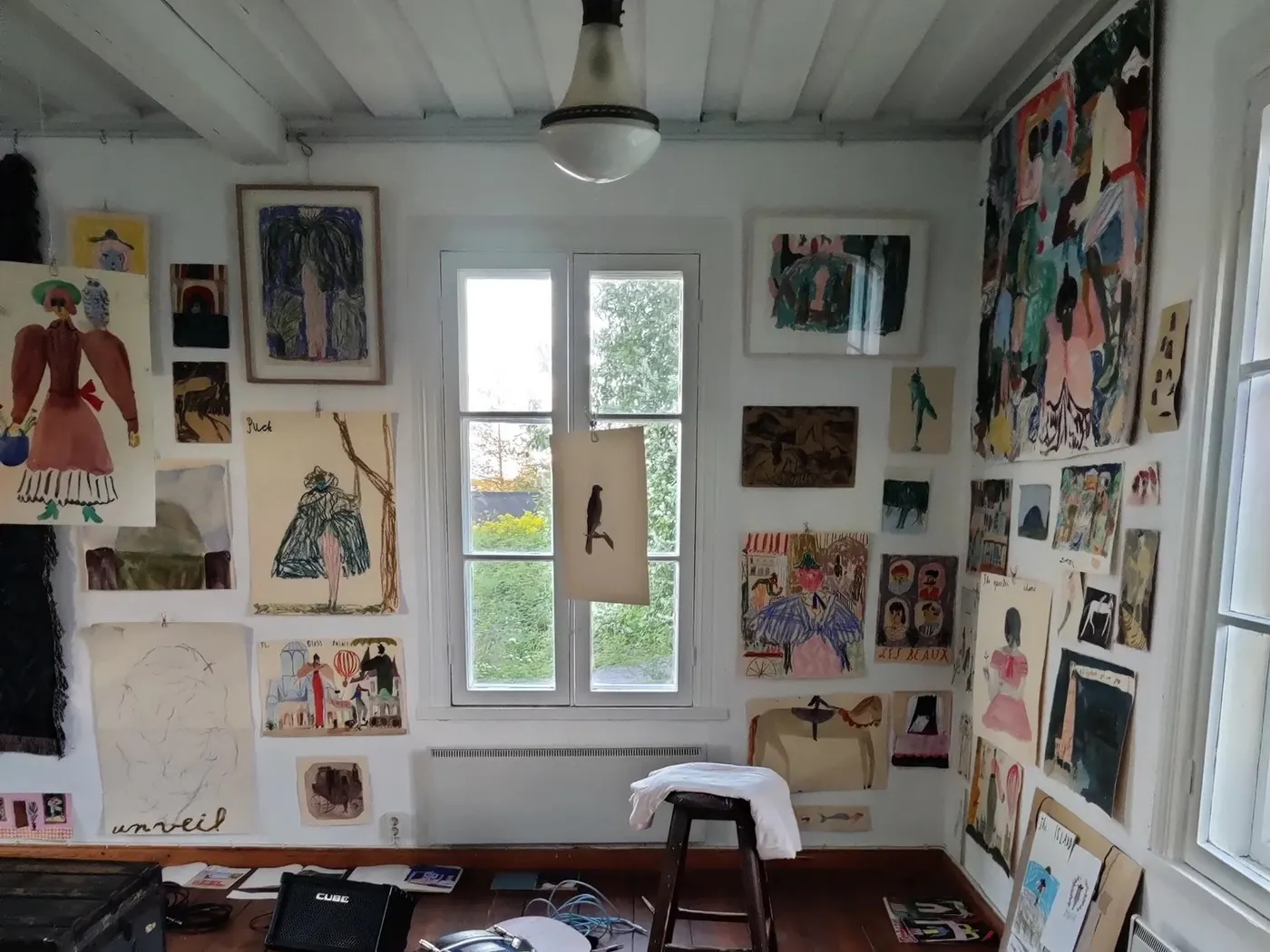
Marika Maijala once set herself a simple task: draw every day. What came out of that habit became a career built on first attempts, not revisions.
The work
Maijala was born in 1974 and grew up on a farm, where her parents worked the land. She now works from a studio at the artists’ house on Harakka Island, off the Helsinki coast, after years sharing a space in Punavuori with the founders of her publisher, Etana Editions. She illustrates and writes picture books, working mainly in watercolour and wax chalk, a style the Finnish Art Promotion Centre has called “sketch-like yet expressive and graphically controlled.”
Her 2018 book Ruusun matka (Rosie Runs) marked her debut as a children’s author and won a second Rudolf Koivu Award in 2019, a decade after her first. It was nominated for the Nordic Council’s Children’s and Young People’s Literature Award. The following year brought a nomination for the Astrid Lindgren Memorial Award and the State Prize for Illustration Art. Her books have since reached readers from England to Japan, China and France.
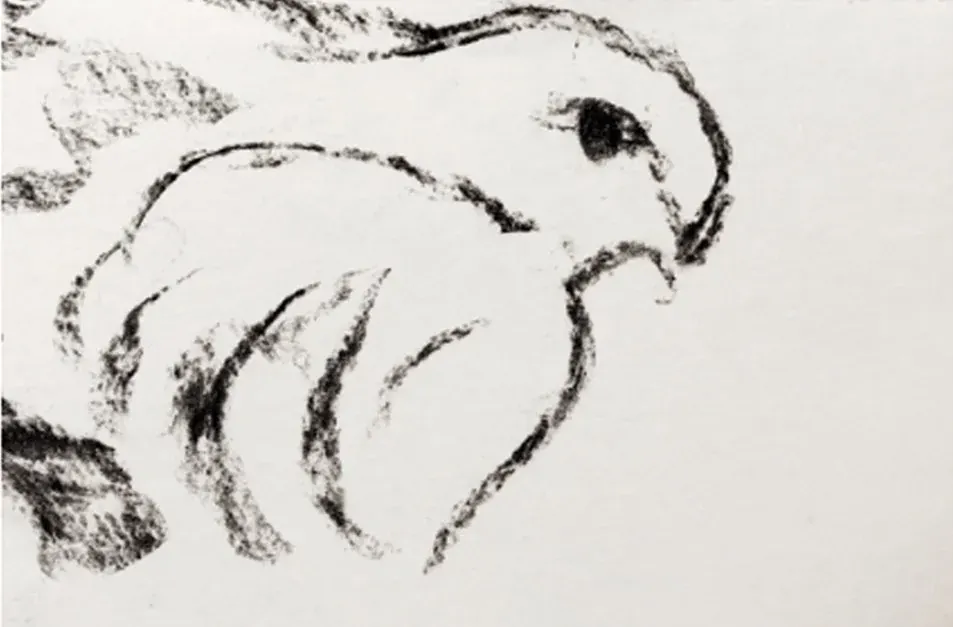 © Marika Maijala. Source: marikamaijala.squarespace.com
What drives the work is speed. “At its best, drawing is quick and smooth,” she has said, naming her best pages as the ones made in one sitting. Her sketches often felt more alive than the finished versions built from them, which pushed her toward a method where “the picture would be created with the first line, that the sketch would be a finished work in itself.” Her texts follow the same rule: a book’s final wording stays close to her first draft, because “everything essential was already in the first version.”
What we see as makers
A first attempt can outrank a careful one. Maijala found her sketches kept beating her finished pieces for life and energy, so she changed her process to protect that first pass instead of polishing it away. A tufter chasing a clean outline can lose the same thing a loose first gun pass has, and it is worth checking which version works before smoothing it out.
Speed is a skill, not a shortcut. Her best pages come from single, quick sittings, a discipline she protects rather than a habit to outgrow. A tufter can build toward the same thing: working fast on purpose, instead of treating a slow, careful pass as the only serious one.
Scale depends on what the line needs. Her publisher chose a large book format because, at a smaller size, her images “would have lost their power considerably.” A tufter sizing a panel can ask the same question before cutting backing cloth: does the shape need room to breathe, or is a smaller frame just easier to hang.
The drip connection
Maijala protects the first line because a second pass, she has found, drains the life out of a picture. Jan Fechner’s drip tufting, developed at BUBU Studio, pushes that conviction one step further: there is no second pass available at all. The wool runs from the gun and settles where it lands, colour bleeding into colour in real time, with no return trip to touch it up. Maijala keeps choosing the first attempt over the revised one. Jan never gets offered the choice.
Curious what a single, committed pass looks like in wool? Book a session in Paphos.
Sources: “Kuvitustaiteen valtionpalkinto 2020 Marika Maijalalle”, Etana Editions, etanaeditions.com. “Käsintehdyssä viivassa on herkkyyttä ja huumoria”, interview by Piritta Maavuori, Etana Editions, etanaeditions.com. Artist website, marikamaijala.squarespace.com. Quotes translated from Finnish.
Try it with yarn in your hands.
Tufting workshops in Paphos, every week.